Personal Brand: Lindsey Ray
Goal: Develop a personal brand for a musician who is transitioning from producing commercial work into more personal composition work. Create a visual identity system that reflects her as an individual and artist, and provide marketing and brand recommendations that will help her reach new audiences.
Tools
Illustrator, Figma
Year
2025
Course
Professional Brand Studio

This was a brand leadership project developed for Mount Royal University’s Marketing program capstone course. Our client for this project was Lindsey Ray— a singer, songwriter, and producer who was in need of a personal brand. She had previously released music under different personas, but needed a brand that more closely aligned with herself to release new music under. In this project, I worked with a team of senior Marketing students and another senior Information Design student to develop a visual identity system for the Lindsey Ray brand, and provide marketing and brand recommendations to help her reach wider audiences with her new music. My own contributions to the project will be detailed here, but our team’s entire proposal can be viewed here!
Design Process
Client Meeting & Initial Direction
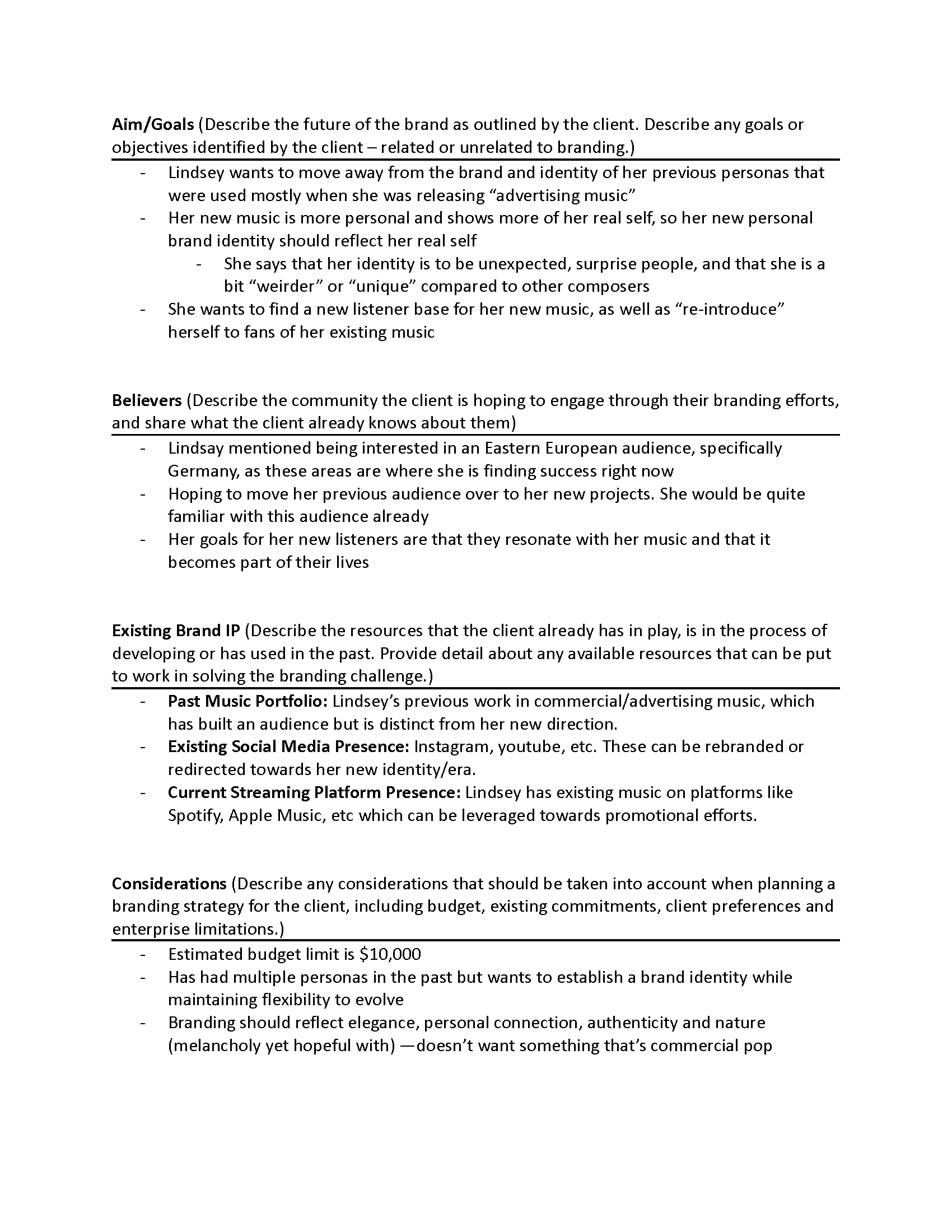
Before beginning work on this project, we had two opportunities to meet with the client and hear about her goals for the project, her ideas, her specific asks, and to ask her any questions. During this stage, we wanted to get a clear idea of what was being asked of us, what the client wanted out of the work we would produce for her, and her general idea of what the artistic direction would ideally be.
Once the first meeting was over, we compiled all of the information we were able to gather into a document that we could reference throughout the project.
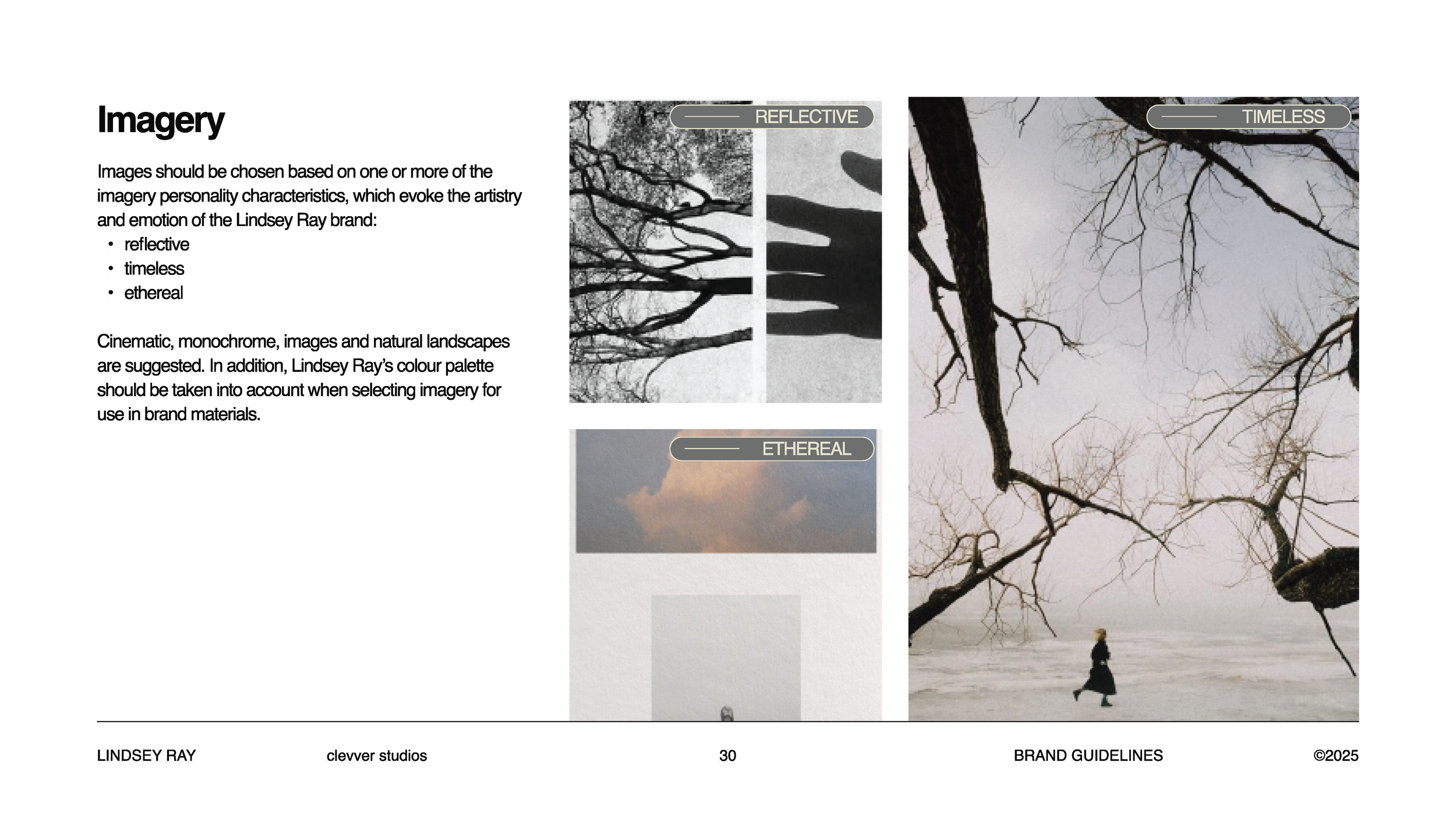
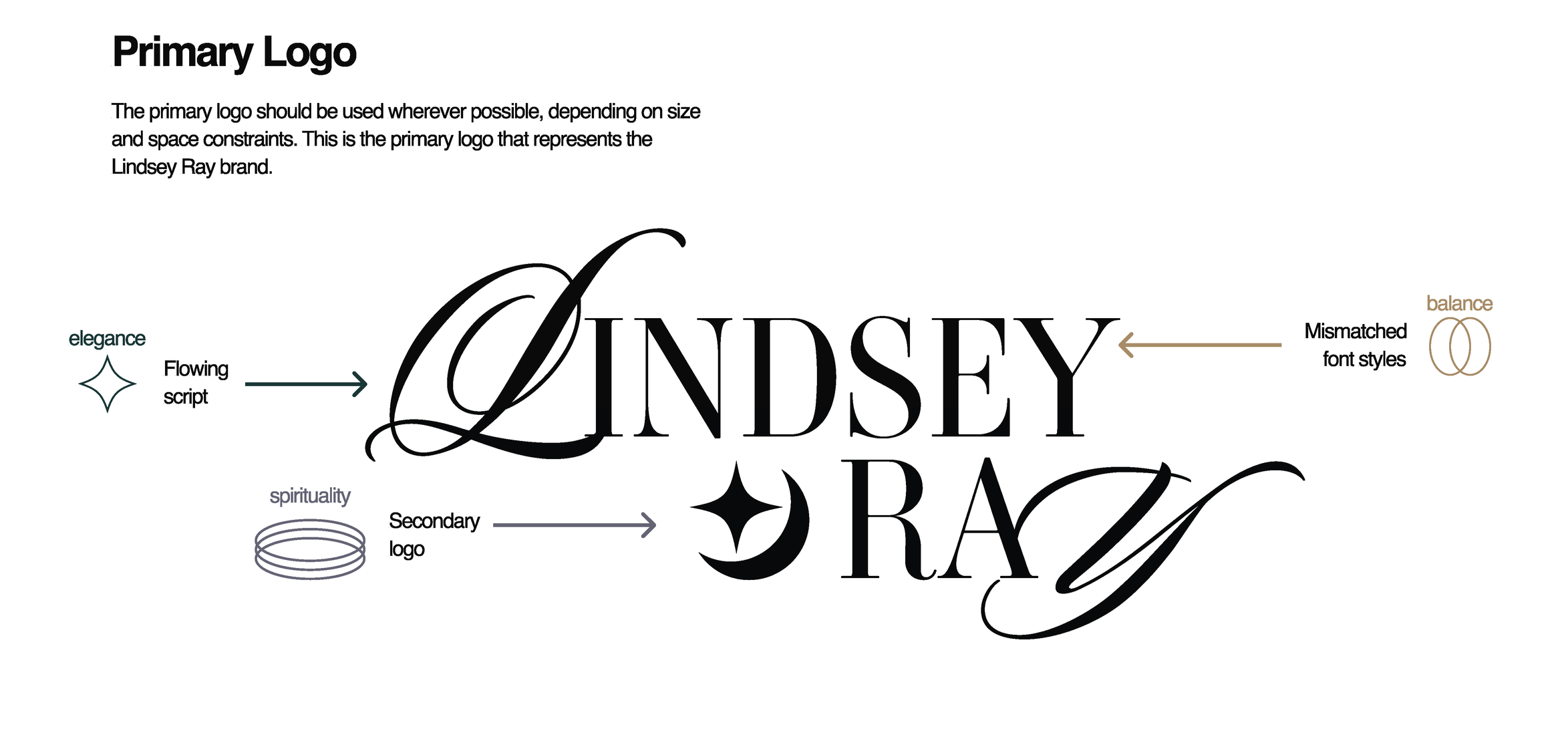
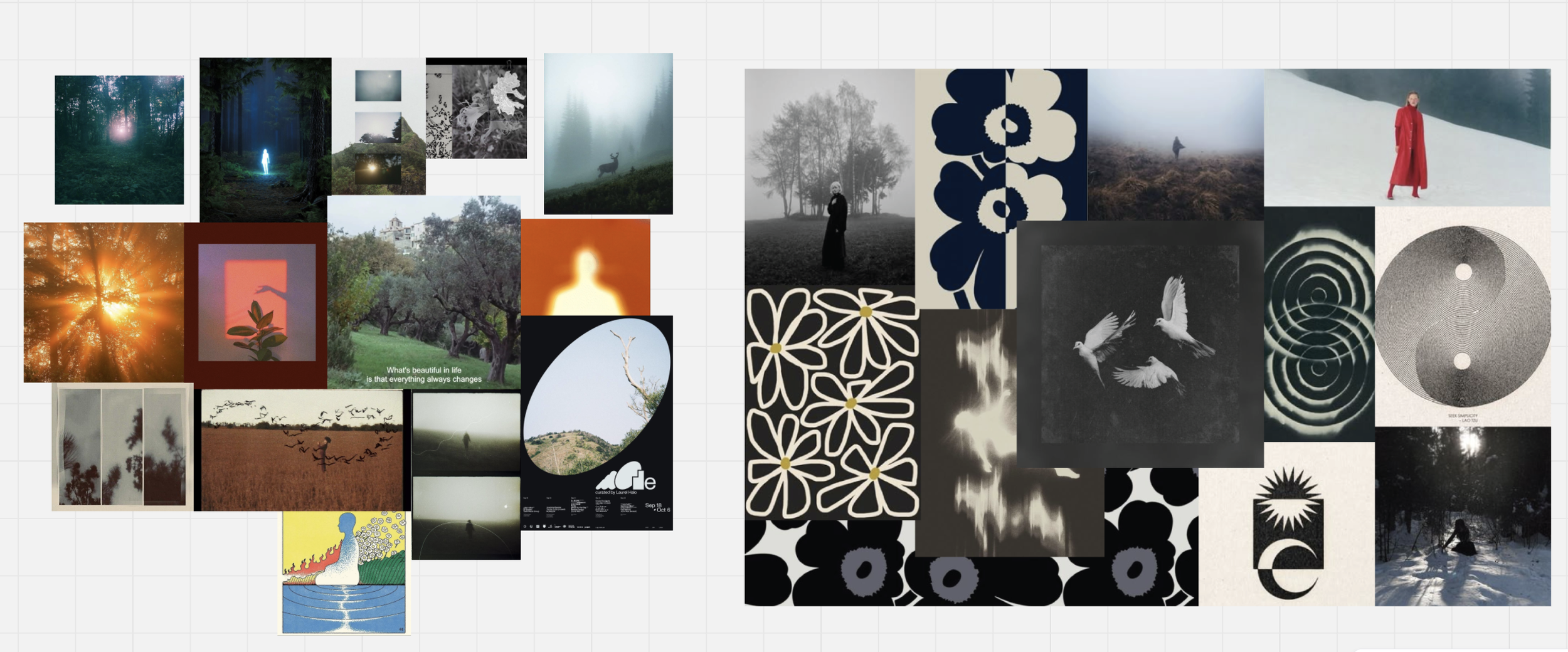
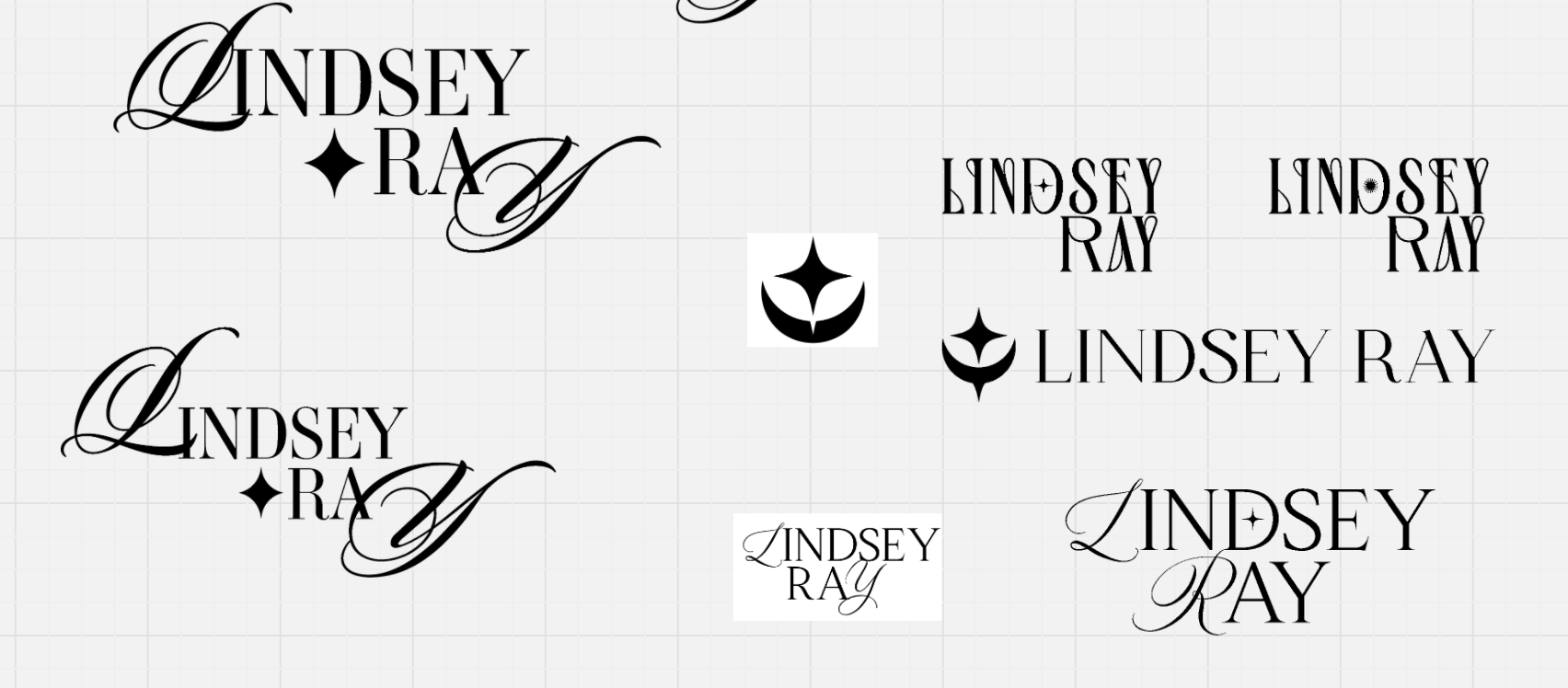
At this point, the other Information Design student and I split off from the rest of the group to take the lead on developing the visual identity system for the brand. We began by creating moodboards, exploring typeface and colour options, and developing logo concepts. We consulted the rest of the group with our individual directions, and brought them together taking their feedback into consideration.
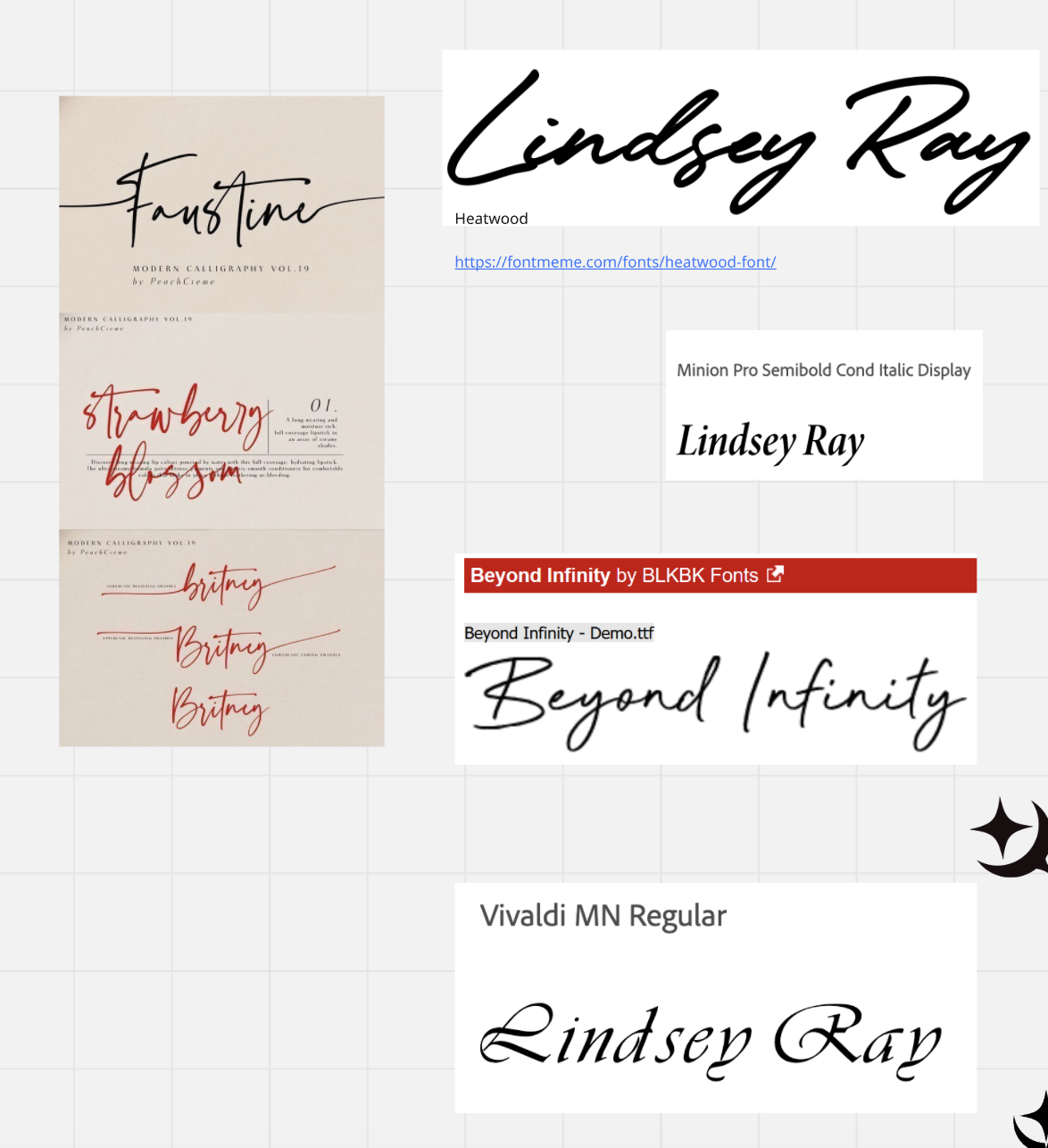
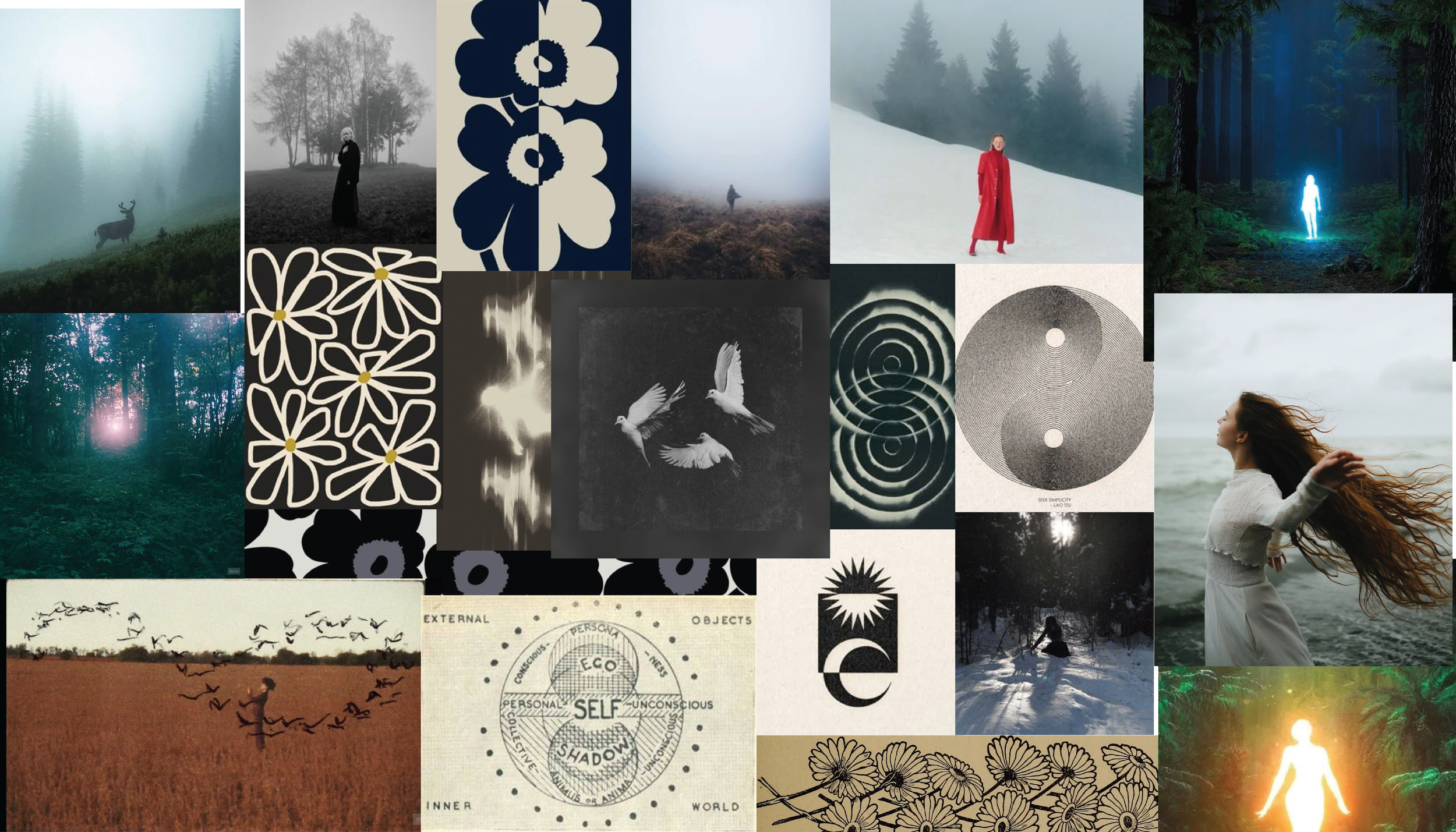


Excerpts from our brand guidelines.
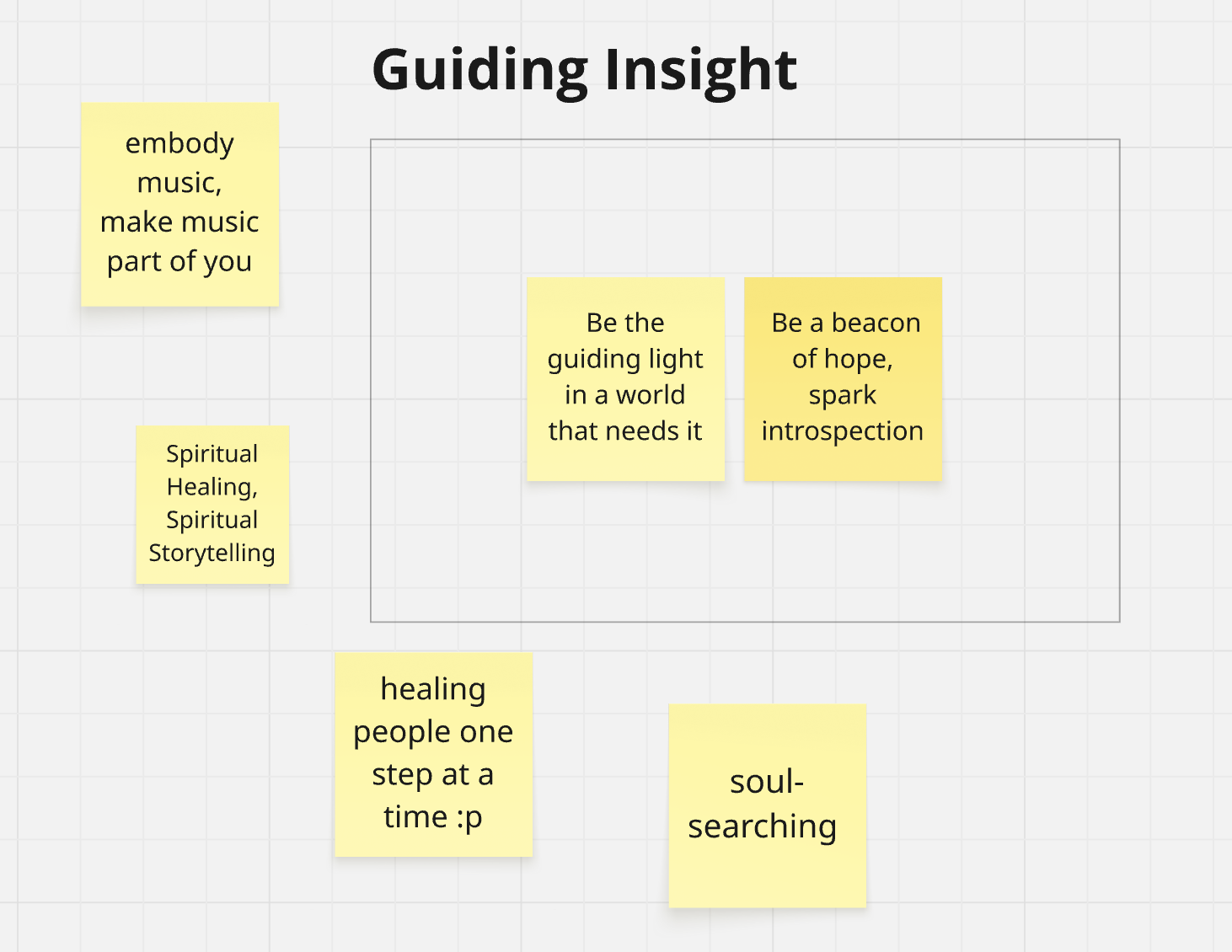
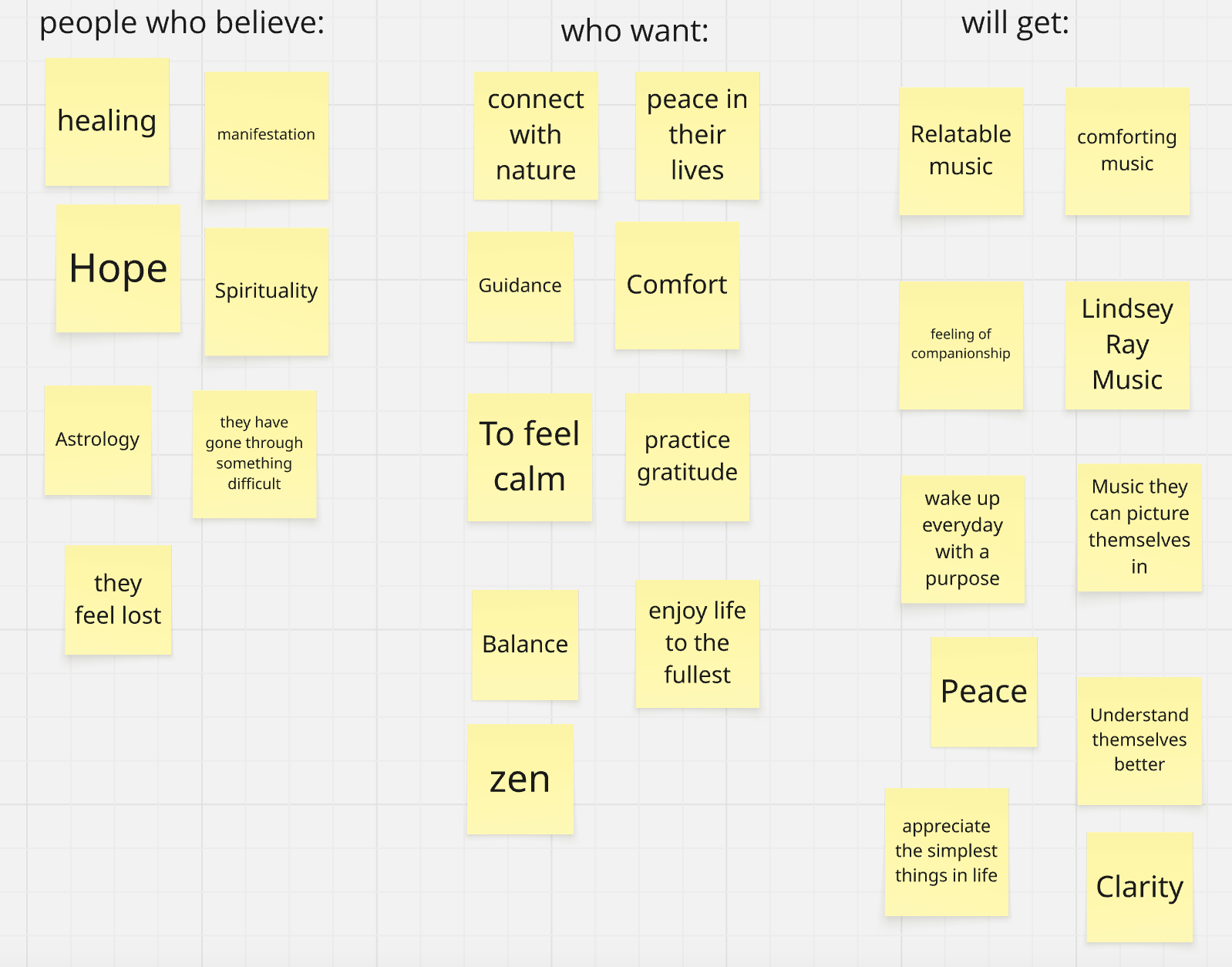
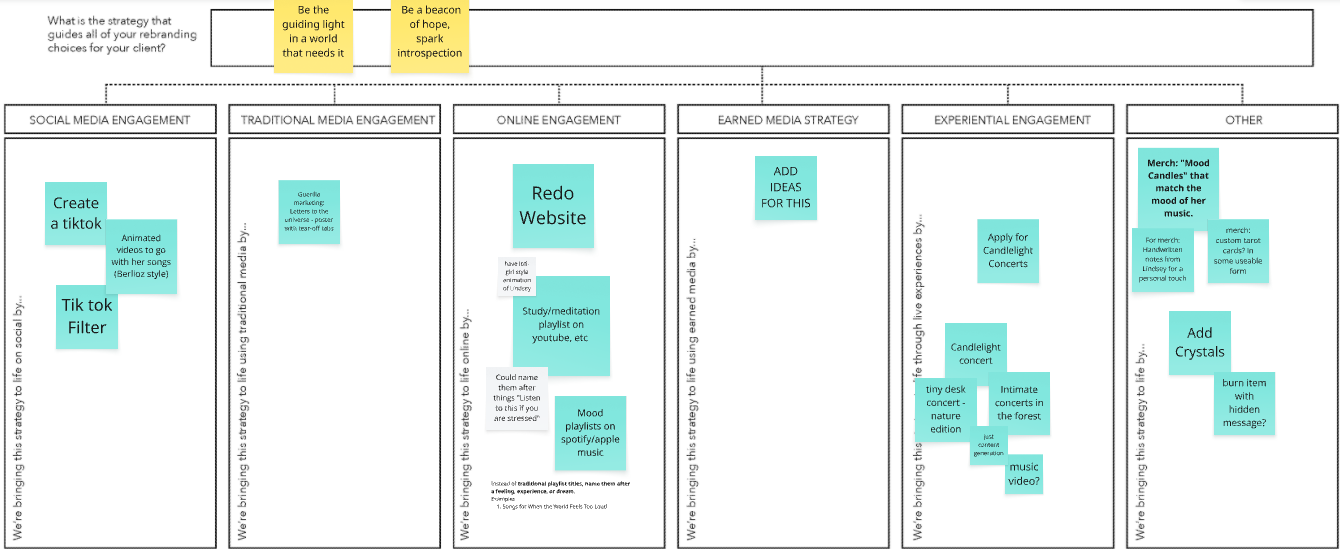
We also brainstormed as a team in order to determine what our main guiding insight would be for the project, and what we wanted the final outcome to be for the audience that would see the work. We identified traits of the target audience, and decided what we wanted them to get out of the work we would be producing. We decided on two points that we felt the client was most strongly trying to get across with her work and brand.
Ideation
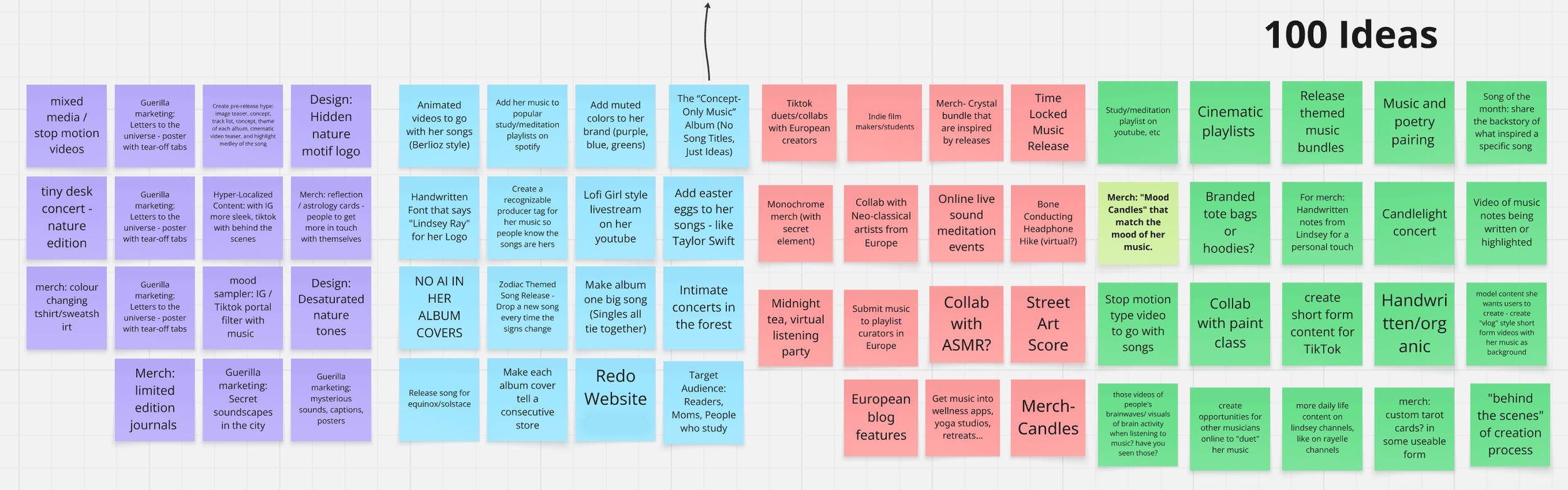
The first step in our ideation process was to come up with 100 ideas. These were ideas about visual design, art direction, merchandise, marketing tactics, social media content ideas, and music delivery methods. The goal here was to write down whatever came to mind, and these ideas were narrowed down and refined into the recommendations and brand guidelines that we eventually presented to the client.
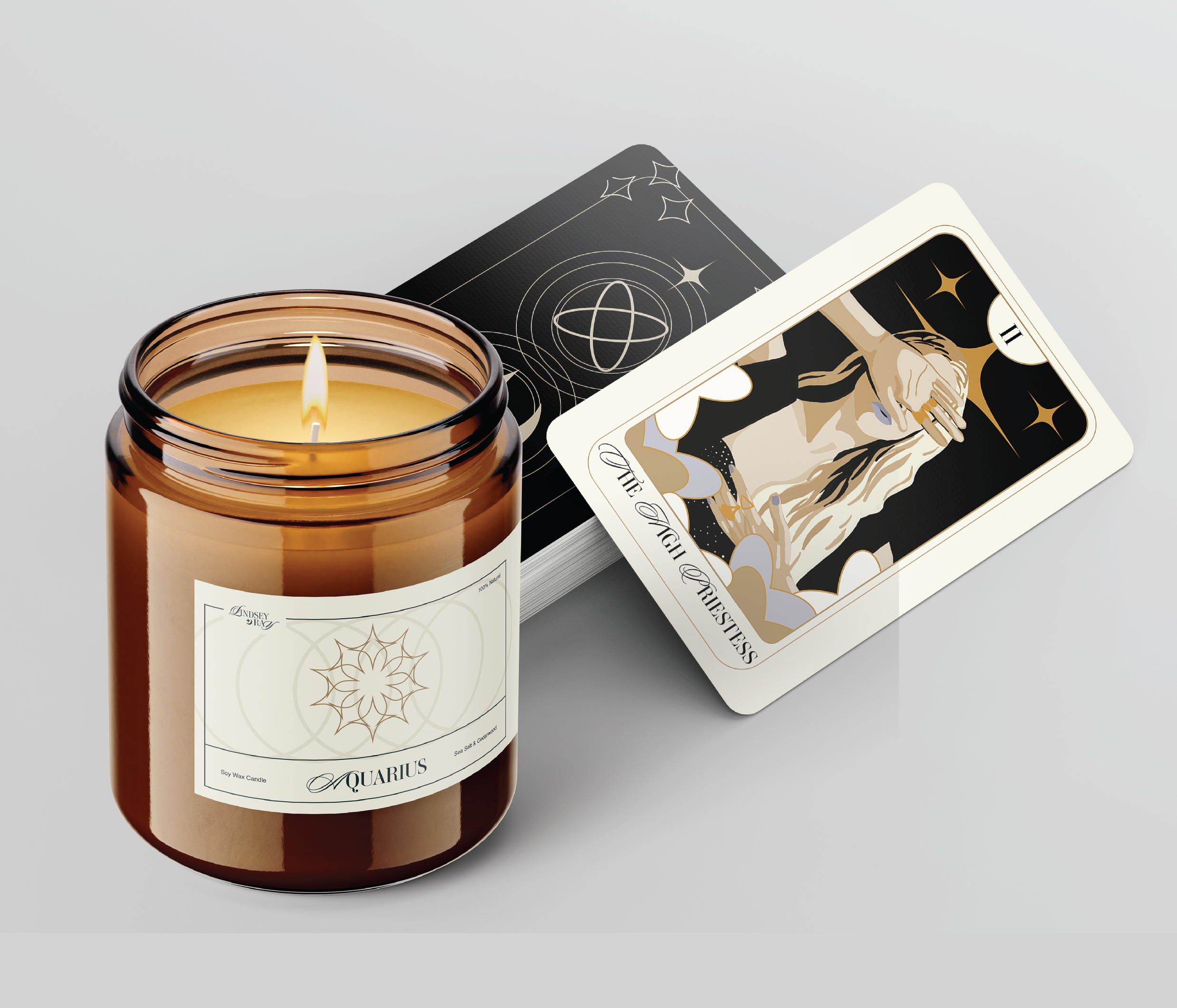
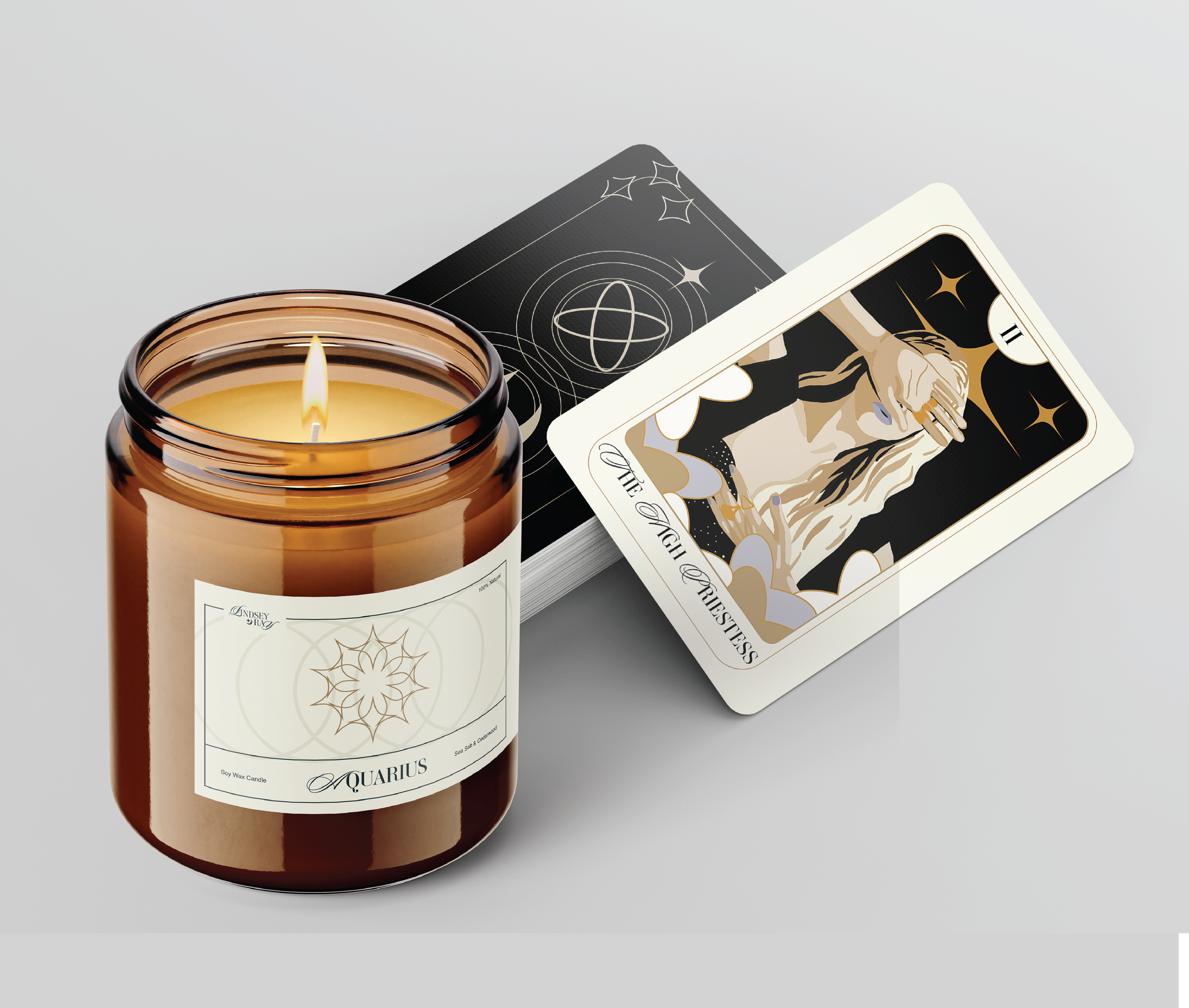
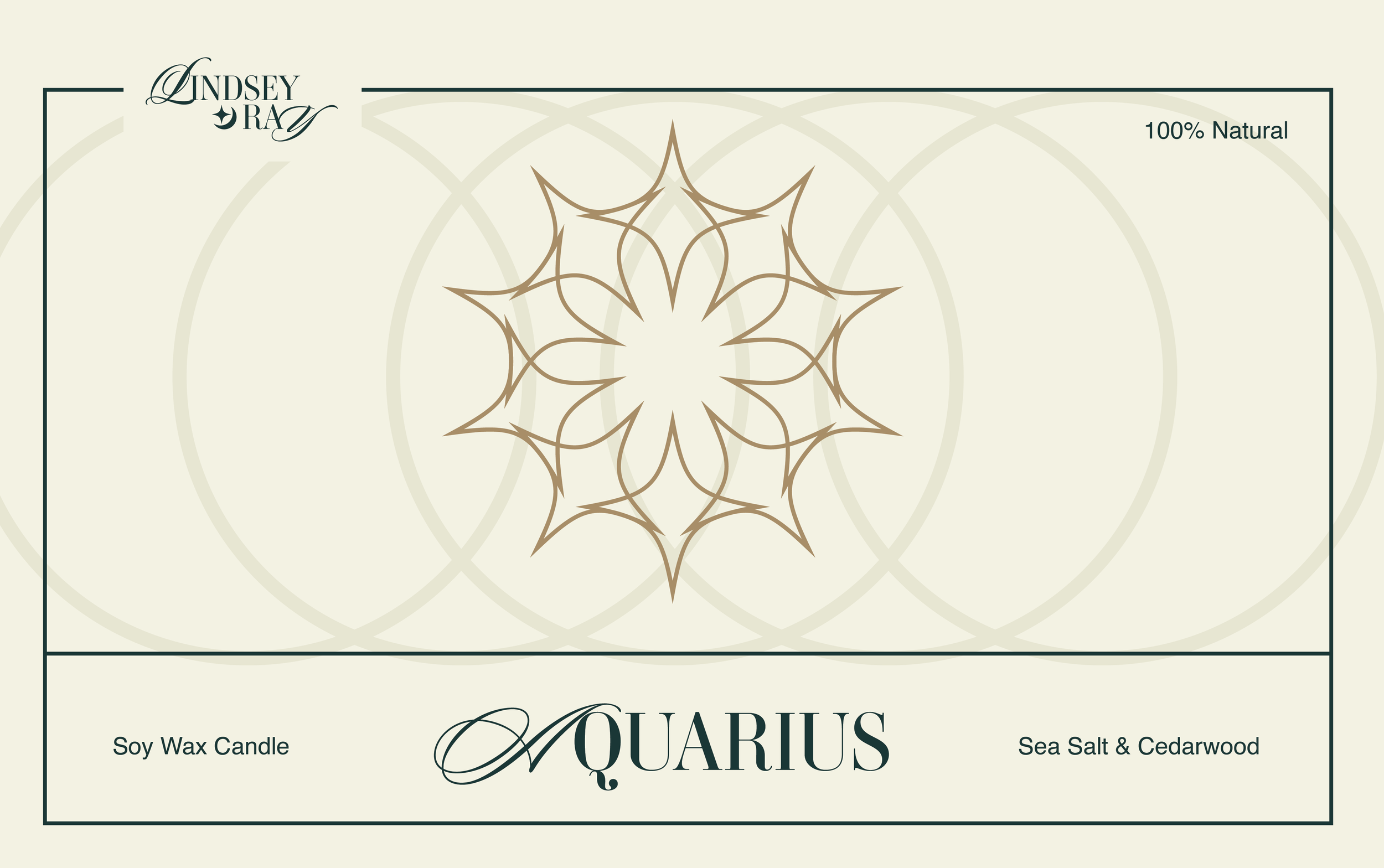
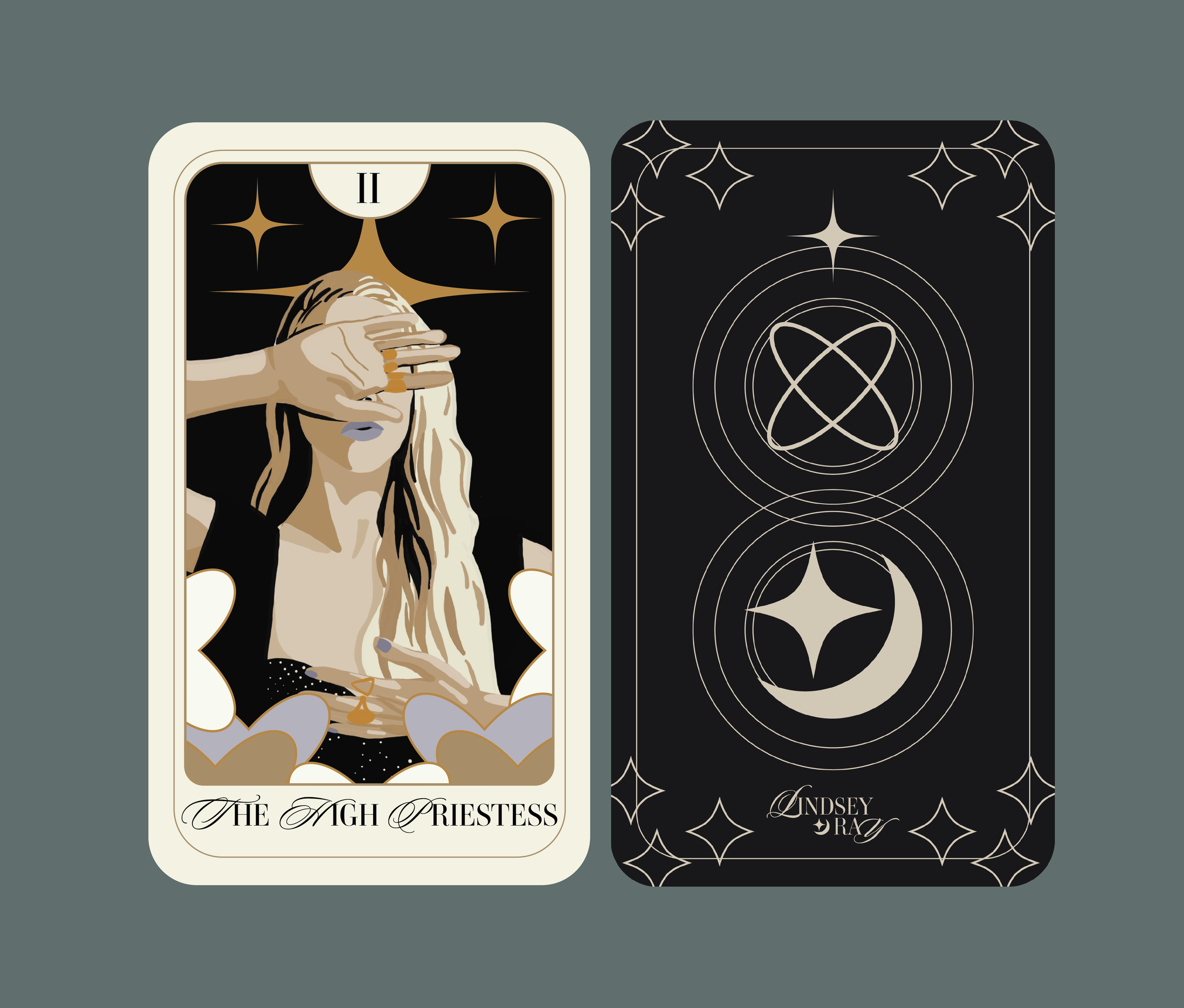
In addition to the visual identity system and brand guidelines document, I also contributed a merchandise proposal for the client. I designed a custom candle label and tarot card concept for a merchandise set. I designed these using the visual identity system we had developed, and also illustrated the front of the tarot card.
Final Product:
The final deliverables for the client were a brand guidelines document and a brand leadership proposal. We presented our proposed visual identity system and marketing strategies to the client along with competing teams. Our proposal was selected by the client as her preferred option.